Mediterranean Diet Recipes (Easy, Healthy & Flavor-Packed Meals for Every Day)
Updated: Apr 21

The Mediterranean diet is one of the easiest and most sustainable ways to eat well — built around fresh ingredients, simple cooking, and naturally balanced meals. Inspired by traditional cuisines from Greece and Southern Italy, it focuses on vegetables, lean proteins, whole grains, olive oil, and vibrant herbs.
At Cozy Home Recipes, these Mediterranean recipes turn those fresh, wholesome ingredients into easy, cozy meals you’ll actually want to make on repeat. Whether you’re planning quick weeknight dinners, meal prep lunches, or lighter comfort food, this collection makes Mediterranean cooking simple, flavorful, and approachable.
Start With These Mediterranean Favorites
If you want the most popular, high-impact recipes first, start here:
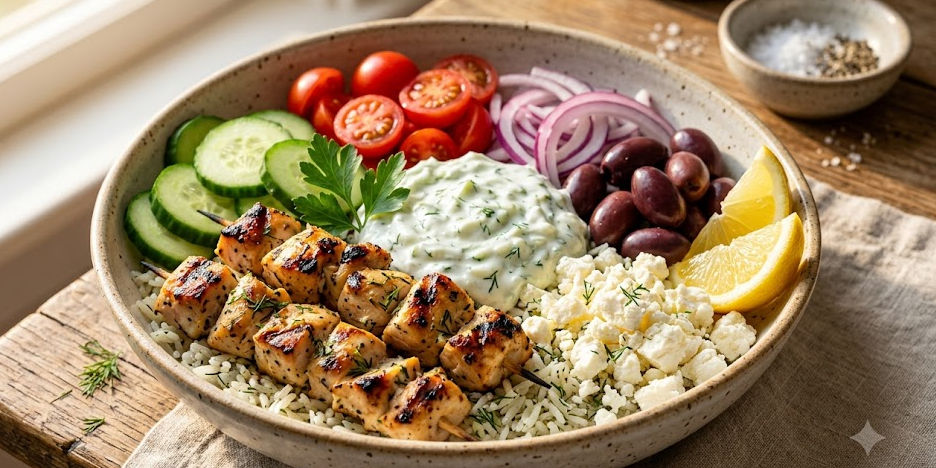
Greek Chicken Souvlaki Bowls – fresh, protein-packed and perfect for meal prep with juicy chicken, veggies, and creamy tzatziki
Mediterranean Shrimp Skillet (Garlic Lemon, One-Pan & Ready in 20 Minutes) – fast, bold flavor with minimal cleanup
Garlic Shrimp Mediterranean Bowl (Fresh, Zesty & Ready in 30 Minutes) – a balanced, high-protein bowl perfect for weeknights
Mediterranean Baked Salmon (One-Pan, Juicy & Loaded with Tomatoes & Olives) – an easy, heart-healthy dinner with bright flavor
Mediterranean Lentil Salad (Fresh, Protein-Packed & Perfect for Meal Prep) – light, filling, and great for make-ahead meals

Easy Mediterranean Meals for Beginners
The easiest way to follow Mediterranean cooking is to build simple, balanced meals without overthinking it.
A typical Mediterranean plate includes:
lean protein (chicken, seafood, or legumes)
fresh vegetables or salads
whole grains or legumes
olive oil, herbs, and citrus
Recipes like Mediterranean Lentil Soup or Lemon Garlic Mediterranean Chicken Skillet naturally follow this formula, making them perfect starting points for everyday cooking.
What Is the Mediterranean Diet?
The Mediterranean diet refers to a traditional eating pattern found in countries bordering the Mediterranean Sea. Rather than focusing on strict rules or calorie counting, it centers on whole, minimally processed foods and balanced meals built from simple ingredients.
Key characteristics of the Mediterranean diet include:
• vegetables and fruits as the foundation of most meals
• olive oil as the primary cooking fat
• seafood, legumes, and lean proteins as regular protein sources
• whole grains such as farro, bulgur, quinoa, and brown rice
• nuts, seeds, herbs, and citrus for flavor
• moderate dairy, typically yogurt and cheese
• limited red meat and highly processed foods
Because this style of eating prioritizes whole ingredients and balance, it’s widely associated with long-term health and sustainable eating habits.

Mediterranean Diet Food List
The Mediterranean diet focuses on simple, whole foods that naturally create balanced, satisfying meals. Rather than strict restrictions, it encourages variety and flexibility using fresh ingredients.
Foods to Eat Often
• vegetables (tomatoes, cucumbers, eggplant, leafy greens)
• fruits (citrus, berries, figs, grapes)
• olive oil as the primary fat
• seafood like salmon, sardines, and shrimp
• legumes such as chickpeas, lentils, and beans
• whole grains including farro, bulgur, quinoa, and brown rice
• nuts and seeds
• yogurt and moderate cheese
Foods to Enjoy Occasionally
• red meat
• sweets and desserts
• heavily processed foods
Many Mediterranean meals naturally combine these ingredients — dishes like Lemon Herb Chicken Mediterranean Bowl, Mediterranean Falafel Bowl, or Baked Cod with Tomato & Caper Relish are great examples of how simple components come together into balanced, flavorful meals.

Health Benefits of the Mediterranean Diet
The Mediterranean diet has been widely studied for its potential health benefits. Because it focuses on whole foods, healthy fats, and balanced meals, it’s often associated with long-term wellness and sustainable eating habits.
Some commonly reported benefits include:
• heart health support from olive oil and omega-3-rich seafood
• improved blood sugar balance from fiber-rich foods
• naturally balanced eating that may support weight management
• anti-inflammatory ingredients like olive oil, herbs, and vegetables
Meals such as Chicken Tawook, Roasted Eggplant with Pomegranate and Tahini, and Creamy Tuscan Salmon show how simple ingredients can create nourishing, satisfying dishes without relying on heavy sauces.

How to Build a Balanced Mediterranean Diet Plate
One of the easiest ways to follow Mediterranean-style eating is to focus on plate balance rather than strict rules.
A simple Mediterranean plate often includes:
½ vegetables – leafy greens, tomatoes, cucumbers, roasted vegetables, or salads
¼ lean protein – salmon, shrimp, chicken, chickpeas, or lentils
¼ whole grains or legumes – quinoa, farro, rice, or beans
Healthy fats – olive oil, olives, nuts, or seeds
Fresh herbs & citrus – parsley, dill, oregano, lemon
This structure creates meals that feel satisfying, nourishing, and balanced — the foundation of Mediterranean cooking.
From grain bowls and seafood dinners to plant-based stews and fresh salads, the recipes below make it easy to build meals using this simple approach. Dishes like Mediterranean Salmon Salad, Crispy Chickpea Grain Bowl, and Avgolemono Soup naturally follow this format.
FAQ About the Mediterranean Diet
Is the Mediterranean diet good for weight loss?
Yes, the Mediterranean diet can support sustainable weight loss because it focuses on whole, fiber-rich foods, lean proteins, and healthy fats that help you feel full and satisfied. Rather than restricting entire food groups, it emphasizes balanced meals built around vegetables, legumes, seafood, olive oil, and whole grains. This approach makes it easier to maintain long-term eating habits without feeling deprived.
What foods are limited on the Mediterranean diet?
The Mediterranean diet doesn’t eliminate specific foods, but it encourages limiting highly processed foods, refined sugars, and excessive red meat. Instead, meals focus primarily on vegetables, legumes, seafood, olive oil, whole grains, and fresh ingredients, with sweets and red meat enjoyed occasionally rather than daily.
Is rice allowed on the Mediterranean diet?
Yes, rice is allowed — especially whole-grain options like brown rice or wild rice. The Mediterranean diet includes whole grains such as farro, quinoa, bulgur, and rice as part of balanced meals. Portion balance matters more than elimination, with grains typically making up about one-quarter of the plate alongside vegetables and lean protein.
Is the Mediterranean diet high in protein?
The Mediterranean diet provides moderate, balanced protein from a variety of sources, including fish, chicken, yogurt, legumes, lentils, and nuts. While it isn’t designed as a high-protein diet, it naturally supports adequate protein intake through whole-food sources rather than relying on processed protein products.
Can beginners easily follow the Mediterranean diet?
Absolutely. The Mediterranean diet is considered one of the easiest and most sustainable eating patterns because it focuses on simple, familiar foods. Small shifts — such as cooking with olive oil, adding more vegetables to meals, incorporating seafood weekly, and including legumes regularly — can gradually build a Mediterranean-style approach without drastic changes.

Mediterranean Seafood Recipes
Seafood is a cornerstone of Mediterranean cooking, offering fresh flavor, simplicity, and satisfying meals that come together quickly.
Mediterranean Baked Salmon (One-Pan, Juicy & Fresh) – an easy, omega-3-rich dinner with bright Mediterranean flavor
Garlic Shrimp Mediterranean Bowl (30-Minute, High-Protein Meal) – fresh, balanced, and perfect for busy nights
Mediterranean Shrimp Skillet (Garlic Lemon & One-Pan Easy) – bold flavor with quick, simple cooking
Blackened Tuna Steak with Mango Salsa (Bold, Fresh & Restaurant-Quality) – a fresh, vibrant dish with bold contrast and restaurant-quality flavor
Mediterranean Chicken & Protein Dishes
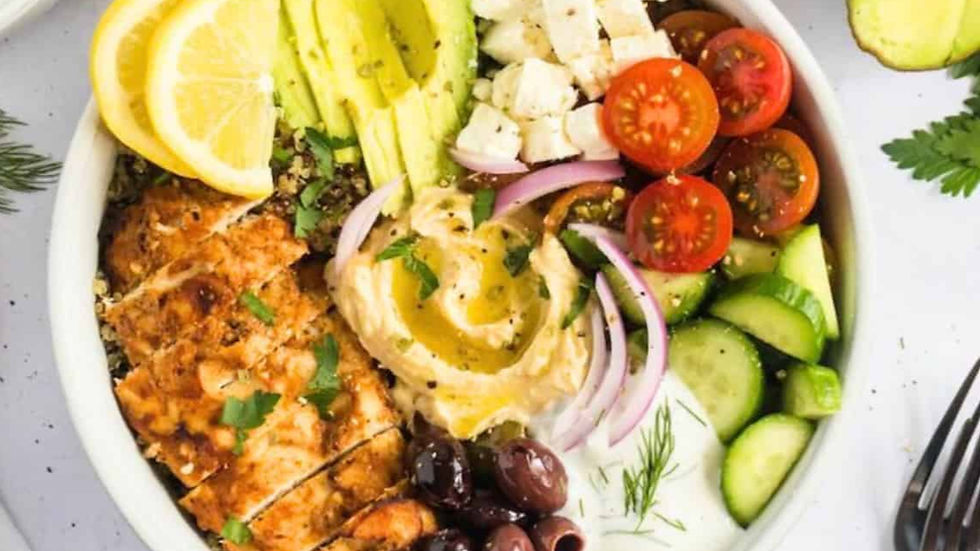
From grilled favorites to cozy bowls, these protein-forward recipes bring bold Mediterranean flavor to the table.
Greek Chicken Souvlaki Bowls (Fresh, Flavor-Packed & Meal Prep Friendly) – juicy grilled chicken with balanced toppings
Quick Gyro Bowl (Easy Weeknight Mediterranean Dinner) – fast, flavorful, and satisfying
Lemon Herb Chicken Bowl (Bright, Fresh & High-Protein) – a clean, balanced meal packed with flavor

Mediterranean Grain & Bowl Recipes
Balanced Mediterranean bowls combine vegetables, lean proteins, whole grains, and healthy fats to create meals that are both nourishing and satisfying.
Mediterranean Chicken Bowls (Fresh, Flavorful & Perfect for Meal Prep) – customizable, balanced, and satisfying
Mediterranean Chickpea Power Bowl (Protein-Packed & Filling) – plant-based and packed with flavor
Mediterranean Lentil Bowl (Hearty, Nourishing & Meal Prep Friendly) – a filling, wholesome bowl with roasted vegetables
Best Mediterranean Quinoa Salad Recipe (Easy & Healthy) – a light, refreshing quinoa salad packed with protein, fresh vegetables, and zesty Mediterranean flavor

Vegetarian & Plant-Based Mediterranean Recipes
Mediterranean cooking shines when it comes to plant-based meals that are hearty, cozy, and deeply satisfying.
Mediterranean Chickpea Stew (Hearty, Cozy & Easy One-Pot Dinner) – warm, comforting, and packed with plant-based protein
Creamy Mediterranean Orzo (Spinach, Feta & One-Pan Comfort) – cozy, creamy, and simple to make
Mediterranean Lentil Salad (Fresh, Bright & Protein-Rich) – light but satisfying with lemon and olive oil
Hearty Baked Lentils with Tomato & Caper Relish – a cozy, plant-based dish with rich, savory lentils and a bright, tangy tomato-caper topping
Mediterranean Lentil Soup (Hearty, Healthy & Protein-Packed) – a cozy, flavor-packed lentil soup with vegetables and herbs that’s both nourishing and deeply satisfying

Mediterranean Salads, Sides & Mezze Favorites
Fresh sides and small plates are a hallmark of Mediterranean-style eating, bringing variety, color, and balance to the table. These dishes highlight vegetables, legumes, olive oil, herbs, and simple preparation.
Cucumber Tomato Olive Salad (Fresh, Crisp & Lemony) – bright, refreshing, and simple
Homemade Hummus (Creamy, Smooth & Easy) – a staple dip packed with flavor
Greek Village Salad (Authentic, Fresh & Simple) – classic Mediterranean ingredients done right
Mediterranean Chickpea Salad (Protein-Rich & Herb-Packed) – fresh, filling, and easy
Falafel (Crispy, Flavor-Packed & Better Than Takeout) – golden, crunchy, and satisfying
Stuffed Grape Leaves (Dolmas – Classic & Flavorful) – traditional, herb-filled bites
Tabbouleh (Fresh, Herby & Bright Lemon Flavor) – light and vibrant
Fattoush (Crispy Pita Salad with Tangy Dressing) – texture, crunch, and bold flavor

Mediterranean Breakfasts & Light Meals
Mediterranean-inspired breakfasts and light meals focus on balance, simplicity, and natural sweetness.
Greek Yogurt with Honey, Walnuts & Berries (Creamy, High-Protein & Naturally Sweet) – a protein-rich, naturally sweet breakfast with creamy yogurt, crunchy nuts, and fresh fruit
Shakshuka (Bold, Cozy Skillet Eggs in Rich Tomato Sauce) – a classic skillet dish with eggs poached in a rich tomato and pepper sauce
Baked Pears with Honey & Pistachios (Warm, Caramelized & Naturally Sweet) – a simple, fruit-forward option with natural sweetness and warm flavor
Avocado Toast with Tomato, Olive Oil & Herbs (Fresh, Simple & Mediterranean-Style) – a fresh, everyday meal built on healthy fats and simple ingredients
Orange Olive Oil Cake (Light, Moist & Bright Citrus Flavor) – a light, citrusy dessert that highlights olive oil instead of heavy frosting

Mediterranean Flavor Boosters
These marinades make it easy to add bold Mediterranean flavor to everyday proteins and vegetables.
Balsamic Herb Marinade (Chicken & Pork, Rich, Savory & Flavorful!) – a classic olive oil–based blend with herbs and vinegar that adds rich, balanced flavor to chicken, vegetables, and grilled dishes
Citrus Garlic Pork Marinade (Bright, Fresh & Flavor-Packed!) – bright and zesty with garlic and citrus, perfect for tender, flavorful pork or chicken
Yogurt-Herb Marinade (Tender, Fresh & Mediterranean-Inspired!) – creamy and protein-rich, ideal for tenderizing meats while adding traditional Mediterranean flavor
Lemon Herb Marinade (Fresh, Bright & Perfect for Chicken & Pork!) – fresh, simple, and versatile, perfect for seafood, chicken, or roasted vegetables
How to Plan Mediterranean Meals for the Week
Planning Mediterranean-style meals is often easier than people expect. Because the diet focuses on flexible ingredients rather than strict rules, many meals can be mixed and matched throughout the week.
A typical Mediterranean week might include:
• seafood dinners 2–3 times per week
• plant-based meals like lentils or chickpeas
• lean chicken dishes with vegetables
• fresh salads or mezze-style plates
• yogurt, fruit, and nuts for breakfast or snacks
For a complete weekly guide, explore the 7-Day Mediterranean Diet Meal Plan for a simple, balanced week of meals which shows how these recipes can be combined into balanced, satisfying meals.

More Mediterranean Recipes to Try Next
If you enjoy Mediterranean-style cooking, try these reader favorites next:
• Falafel
Final Thoughts
Mediterranean cooking proves that simple ingredients can create incredibly satisfying meals. With fresh vegetables, olive oil, herbs, seafood, and comforting grains, these recipes bring warmth, balance, and flavor to everyday cooking.
Whether you’re planning weeknight dinners, building a mezze platter, or easing into Mediterranean-style eating, this collection is designed to make meals feel cozy, approachable, and delicious — the kind of recipes you’ll want to keep on repeat.