The Best Spices for Comfort Cooking (Essential Seasonings for Cozy Meals & Baking)

When a recipe tastes like home, spices are usually the reason why. Whether you're making a hearty soup, creamy casserole, slow-cooked roast, or warm baked dessert, the right seasonings create the comforting flavors and aromas that make comfort food so memorable.
From savory staples like garlic powder, paprika, and thyme to baking essentials like cinnamon, nutmeg, and vanilla, these pantry spices help transform simple ingredients into cozy, satisfying meals. This guide covers the best spices for comfort cooking, how to use them, and the recipes where they shine.
1. Garlic Powder & Onion Powder
Why they’re essential: These pantry staples add instant savory depth to almost any recipe. Tastes like: Warm, savory, slightly sweet.
How to Use Them
Add to soups and stews for rich background flavor (great with your chicken-and-dumplings, potato soup, and French onion–inspired recipes).
Mix into meat dishes like meatballs or chicken marinades.
Sprinkle over roasted potatoes or veggies for a quick flavor boost.
Try with:
2. Paprika (Sweet, Smoked, or Hot)
Why it’s essential: Paprika brings color, warmth, and smoky depth — perfect for comfort foods. Tastes like: Sweet, smoky, or spicy depending on type.
How to Use It
Add sweet paprika to goulash, stews, or creamy casseroles.
Use smoked paprika for BBQ-style dishes, roasted potatoes, and chicken rubs.
Add a pinch of hot paprika for heat without changing flavor too much.
Try with:
3. Sage
Why it’s essential: Sage tastes like fall and holiday cooking — warm, earthy, and cozy.
Tastes like: Earthy, savory, slightly peppery.
How to Use It
Perfect in Thanksgiving-style stuffing, creamy pastas, and chicken dishes.
Add to biscuits, breads, and casseroles for a classic comfort aroma.
Try with:
4. Thyme
Why it’s essential: Thyme adds subtle earthiness without overpowering.
Tastes like: Woodsy, savory, herbal.
How to Use It
Add to soups, stews, and pot roast for warm depth.
Sprinkle into cream sauces, chicken dishes, and slow-cooked meals.
Use fresh thyme sprigs while simmering for the best flavor.
Try with:
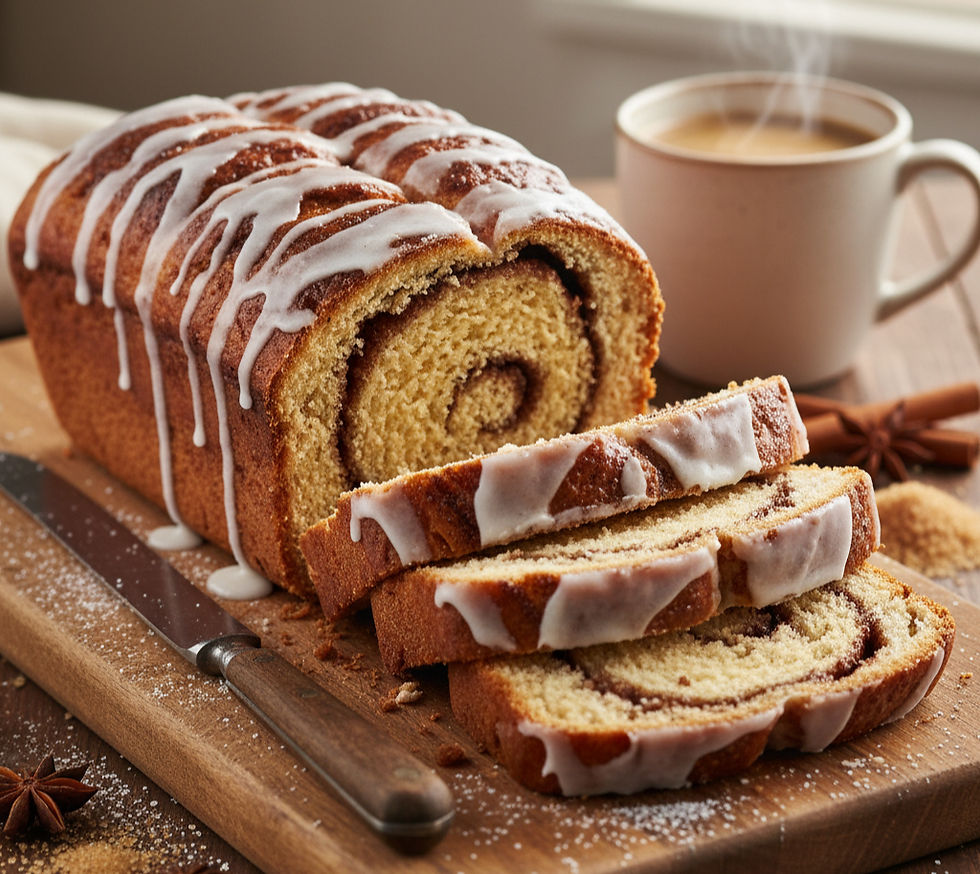
5. Cinnamon
Why it’s essential: The #1 cozy spice! Warm, sweet, and inviting.
Tastes like: Sweet, woody, warm.
How to Use It
Add to breads, muffins, cookies, and fall desserts.
A pinch in chili or stews adds surprising warmth and depth.
Stir into holiday drinks for sweetness without sugar.
Try with:
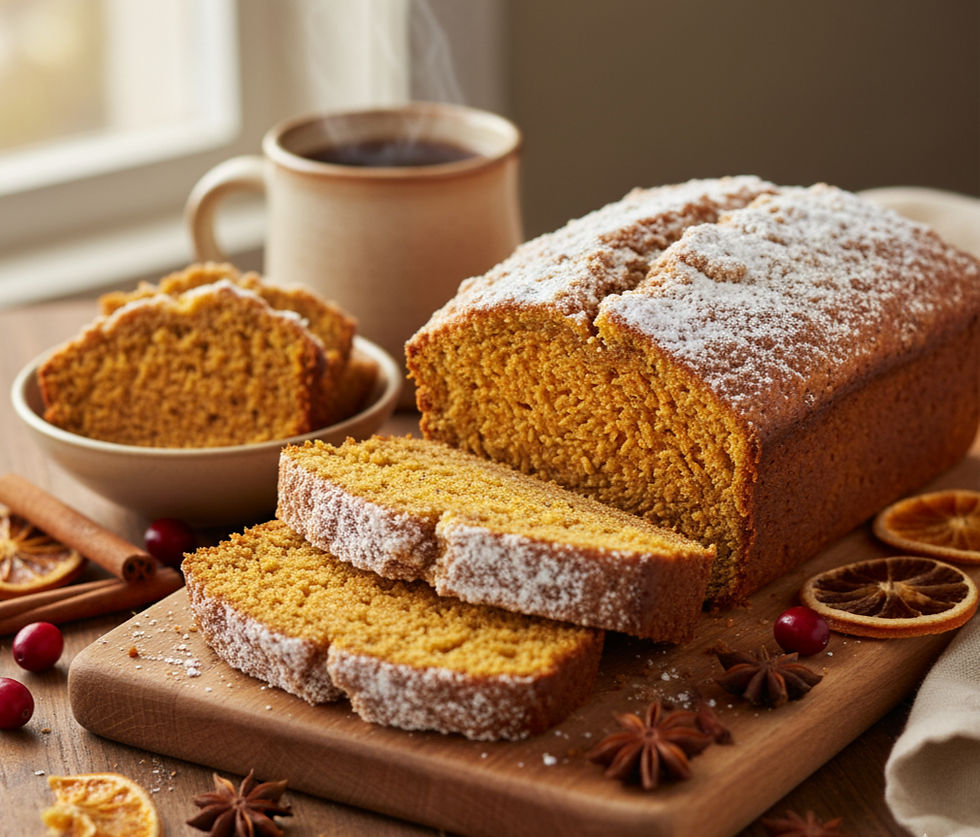
6. Nutmeg
Why it’s essential: A little goes a long way! Nutmeg adds warmth and softness to creamy dishes. Tastes like: Warm, nutty, sweet.
How to Use It
Add a pinch to cream sauces, Alfredo, or mac and cheese.
Essential in holiday desserts and anything spiced.
Great in egg-based recipes and cozy drinks.
Try with:
7. Rosemary
Why it’s essential: Woodsy and aromatic, rosemary immediately makes a recipe feel rustic and cozy. Tastes like: Piney, earthy, slightly minty.
How to Use It
Great with roasted potatoes, chicken, and bread.
Add to soups for an earthy aroma.
Pairs beautifully with lemon, garlic, and butter.
Try with:
8. Chili Powder
Why it’s essential: The backbone of cozy Tex-Mex and chili dishes.
Tastes like: Mild heat, smoky, earthy.
How to Use It
Add to chili, taco casseroles, and enchiladas.
Mix into chicken marinades for warmth and color.
Use with cumin and garlic powder for classic comfort flavor.
Try with:
9. Cumin
Why it’s essential: Adds deep warmth and body to comfort dishes.
Tastes like: Earthy, warm, slightly smoky.
How to Use It
Great in chili, stews, tacos, enchiladas, and rice dishes.
Adds richness to veggie soups.
Works beautifully with tomato-based dishes.
Try with:
10. Vanilla Bean or Vanilla Extract
Why it’s essential: The heart of cozy baking. Enhances sweetness and warmth.
Tastes like: Sweet, floral, warm.
How to Use It
Essential in cookies, breads, muffins, and holiday treats.
Add to warm drinks, oatmeal, and whipped cream.
Use vanilla bean paste for a richer flavor.
Try with:
Black Pepper
Why it’s essential: Black pepper is one of the most versatile seasonings in comfort cooking. It adds gentle heat, depth, and balance to savory dishes without overpowering other flavors.
Tastes like: Warm, earthy, mildly spicy.
How to Use It
Add freshly ground black pepper to soups, stews, and gravies for extra depth.
Use generously in creamy dishes like mashed potatoes, mac and cheese, and cream sauces.
Season chicken, beef, pork, and roasted vegetables before cooking.
Pair with garlic, thyme, rosemary, and paprika for classic comfort-food flavor.
Try with:
Building a Comfort Food Spice Collection
If you're stocking a pantry from scratch, start with garlic powder, onion powder, paprika, thyme, rosemary, cinnamon, and vanilla extract. These versatile seasonings work across soups, casseroles, roasted vegetables, chicken dishes, breads, cookies, and desserts.
As your collection grows, add spices like sage, nutmeg, cumin, and chili powder to expand your options for holiday cooking, Tex-Mex dishes, slow-cooked meals, and cozy baked treats. With a well-stocked spice cabinet, you'll always be ready to create comforting homemade meals without extra trips to the store.
FAQ: Spices for Comfort Cooking
What spices should every home cook keep on hand?
Garlic powder, onion powder, paprika, cinnamon, thyme, rosemary, and vanilla extract are the basics. With these seven, you can make almost any cozy recipe taste amazing.
How do I store spices so they stay fresh?
Keep them in a cool, dark place away from heat and sunlight. Replace ground spices every 1–2 years for the best flavor.
What spices make food taste “cozy”?
Warm spices like cinnamon, nutmeg, paprika, and sage instantly give dishes that comforting, homemade aroma.
What spice adds the most flavor with the least effort?
Garlic powder! It adds instant depth to soups, casseroles, meats, potatoes, and veggies.
What's the difference between fresh and dried herbs?
Dried herbs are more concentrated and work well in soups, stews, and slow-cooked meals. Fresh herbs add brightness and are often best added near the end of cooking.
How long do spices last?
Ground spices generally maintain their best flavor for 1–2 years, while whole spices can last 3–4 years when stored properly.
Can spices really improve simple recipes?
Absolutely. Even basic dishes like roasted potatoes, rice, soups, and chicken can gain significant flavor from a few well-chosen seasonings.
Which spices pair well together?
Garlic powder, onion powder, paprika, thyme, and black pepper form a versatile savory blend, while cinnamon, nutmeg, and vanilla create classic baking flavors.
Final Thoughts
A well-stocked spice cabinet is one of the easiest ways to make everyday cooking more flavorful, comforting, and memorable. From savory essentials like garlic powder, paprika, thyme, and black pepper to baking favorites like cinnamon, nutmeg, and vanilla, these pantry staples help transform simple ingredients into cozy homemade meals.
Whether you're simmering a hearty soup, roasting vegetables, baking fresh bread, or preparing a family dinner, the right seasonings can make all the difference. Start with a few versatile favorites, experiment with new flavor combinations, and you'll quickly discover how spices bring warmth and personality to every recipe.