Venezuelan Cooking Basics Every Beginner Should Know (A Cozy Guide to Authentic Home Cooking)
Updated: Aug 14

Venezuelan cooking is built around comfort, simplicity, and bold homemade flavor. From crispy corn cakes and slow-cooked shredded beef to hearty soups and creamy sauces, many traditional Venezuelan meals rely on humble ingredients transformed through layering flavor, patient cooking, and family-style preparation. Corn flour, plantains, fresh cheeses, beans, and richly seasoned stews all play an important role in everyday cooking across the country.
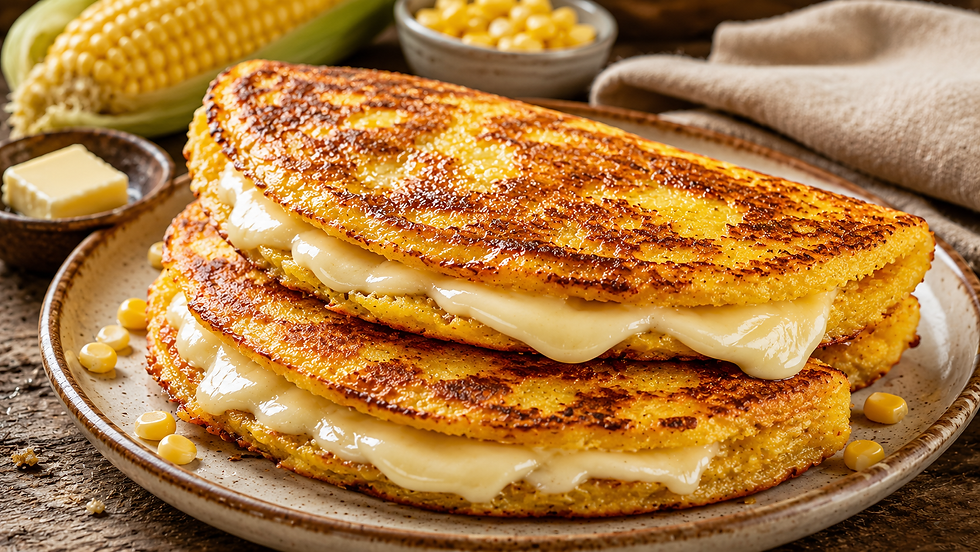
If you’re new to Venezuelan food, the good news is that many dishes are surprisingly approachable for home cooks. Recipes like Venezuelan Arepas, Cachapa, and Tequeños use simple ingredients while delivering deeply comforting flavor. Whether you want cozy soups, savory breakfasts, or traditional holiday dishes, learning a few foundational techniques makes Venezuelan cooking feel much less intimidating.
Why Venezuelan Cooking Feels So Comforting
One of the defining characteristics of Venezuelan food is balance. Meals often combine:
hearty starches
slow-cooked proteins
fresh herbs
creamy sauces
sweet-savory contrasts
crispy textures
Many traditional dishes are designed for sharing and gathering around the table. Large pots of soup, braised meats, stuffed corn doughs, and fried snacks are common in both everyday cooking and celebrations.
Unlike some cuisines that rely heavily on extreme spice, Venezuelan food tends to focus more on:
layered savory flavor
aromatic cooking bases
texture contrasts
comforting richness
That’s part of why the cuisine feels so approachable to many home cooks.

The Most Important Venezuelan Pantry Staples
Harina PAN (Precooked Corn Flour)
Harina PAN is one of the most essential ingredients in Venezuelan cooking. This precooked corn flour forms the base for many iconic dishes and creates a soft dough that cooks beautifully on griddles, skillets, or in boiling water.
It’s commonly used for:
Unlike regular cornmeal, Harina PAN absorbs water differently and creates a smoother, more pliable dough.

Plantains: Sweet vs. Green
Plantains appear throughout Venezuelan cuisine in both savory and sweet preparations.
Green plantains are:
starchy
firm
savory
ideal for frying
Ripe plantains become:
sweeter
softer
caramelized when cooked
Learning how plantains change as they ripen is one of the easiest ways to understand many Latin American cooking traditions. As they mature, plantains become sweeter, softer, and beautifully caramelized when cooked, especially in dishes like Fried Sweet Plantains.

Sofrito: The Flavor Foundation
Many Venezuelan dishes begin with a flavorful sautéed base made from ingredients like:
onion
garlic
bell peppers
ají dulce peppers
herbs
This slow-cooked mixture creates depth and richness in soups, stews, braised meats, and rice dishes.
Recipes like Venezuelan Carne Mechada and Venezuelan Sancocho rely heavily on this layered flavor-building process.
Venezuelan Comfort Foods Often Cook Low and Slow
Many traditional recipes develop flavor gradually rather than quickly. Braising, simmering, and slow cooking are extremely common.
Popular examples include:
shredded beef
rich soups
caramelized beef roasts
tomato-based stews
This slower cooking style creates the deeply comforting flavor Venezuelan food is known for.

Sauces Play a Huge Role
Venezuelan meals often include creamy, vibrant sauces that add freshness and contrast to rich dishes.
Two of the most recognizable are:
These sauces are commonly served with:
grilled meats
fried foods
arepas
tequeños
sandwiches
They help balance heavier dishes with acidity, herbs, and creaminess.
Corn-Based Foods Are Central to Venezuelan Cuisine
Corn is deeply woven into everyday Venezuelan cooking.
Some of the most beloved dishes include:
arepas
cachapas
empanadas
hallacas
bollitos
Each uses corn differently:
crispy
soft
steamed
grilled
stuffed
wrapped
This variety is one reason Venezuelan food feels both comforting and diverse at the same time.

Soups and Stews Are Deeply Traditional
Hearty soups remain an important part of Venezuelan home cooking.
Recipes like:
chicken-based root vegetable soups
bean stews
beef broths
are often cooked in large batches and shared with family.
These dishes emphasize nourishment, slow cooking, and deeply layered flavor.
Venezuelan Food Balances Richness with Freshness
Even rich dishes are often balanced with:
lime
herbs
avocado
fresh cheese
pickled elements
bright sauces
That contrast keeps meals from feeling overly heavy and gives the cuisine its comforting but vibrant personality.
Beginner-Friendly Venezuelan Recipes to Try First
If you’re just getting started with Venezuelan cooking, these are some of the easiest and most rewarding recipes to begin with:

Quesillo 
Mandocas 
Ensalada de Gallina 
Polvorosa de Pollo
These dishes help introduce many of the textures, flavors, and cooking styles that make Venezuelan food so memorable.

Final Thoughts
Venezuelan cooking is deeply rooted in comfort, family traditions, and flavorful homemade meals built from simple ingredients. Once you understand the basics — corn flour doughs, sofrito cooking, slow braising, plantains, and creamy sauces — many traditional recipes become much easier to recreate at home.
Whether you’re making crispy arepas for breakfast, simmering a hearty soup for dinner, or learning traditional holiday recipes, Venezuelan food offers a warm, comforting style of cooking that feels both approachable and deeply satisfying. If you want to learn more about the pantry staples, fresh produce, and traditional flavors that shape Venezuelan home cooking, explore the Essential Venezuelan Ingredients for Authentic Home Cooking guide for a closer look at the ingredients behind many classic dishes.