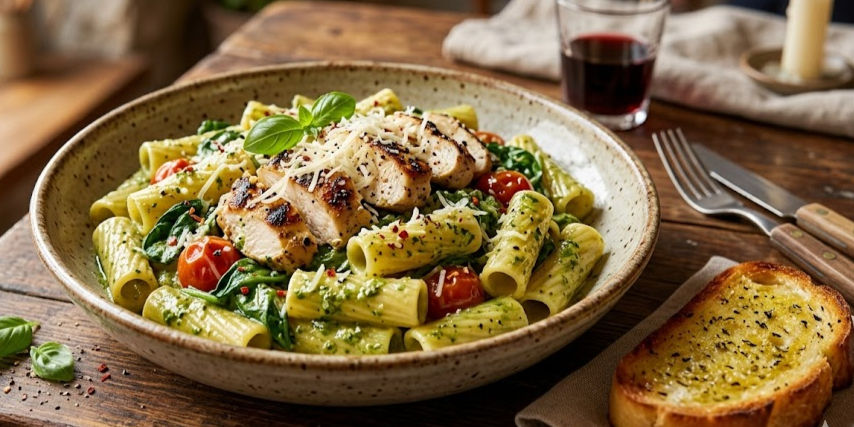
Classic Spaghetti Carbonara (Authentic, Creamy & Easy Italian Pasta Recipe)

This classic spaghetti carbonara is rich, silky, and packed with bold Italian flavor, made with eggs, Parmesan cheese, and crispy pancetta for a creamy sauce without any heavy cream. This authentic spaghetti carbonara recipe delivers restaurant-quality results using simple ingredients and traditional technique, making it perfect for both weeknight dinners and special occasions.
If you love cozy Italian meals like Juicy Homemade Meatballs, Chicken Parmesan, or Baked Eggplant Parmesan, this easy carbonara recipe is another must-have for your rotation. You can also explore more dinner ideas in the Italian Recipes collection to build a full lineup of classic meals.
Quick Answer
Classic Spaghetti Carbonara is a traditional Italian pasta dish made with spaghetti, eggs, Pecorino Romano or Parmesan cheese, pancetta or guanciale, black pepper, and starchy pasta water. The silky sauce forms naturally when the hot pasta is tossed with the egg and cheese mixture—no heavy cream is used.
Why You’ll Love This
Authentic Italian carbonara with no cream
Silky, rich sauce made from eggs and cheese
Simple ingredients with bold flavor
Ready in about 25 minutes
Perfect for quick dinners or impressive meals

Recipe Card
Prep Time: 10 minutes
Cook Time: 15 minutes
Total Time: 25 minutes
Servings: 4
Difficulty: Easy
Cuisine: Italian
Category: Main Dish
Method: Stovetop
Nutrition Information
(Approximate, per serving)
Calories: 540
Protein: 22 g
Carbohydrates: 48 g
Fat: 28 g
Fiber: 2 g
Sugar: 2 g
Ingredients
This authentic spaghetti carbonara comes together with just a handful of simple ingredients. Each one plays an important role in creating the rich, silky sauce without using heavy cream.
12 ounces (340g) spaghetti – Spaghetti is the classic pasta for carbonara, although bucatini or rigatoni also work well. Cook it until al dente so it holds up to the rich sauce.
4 ounces (115g) pancetta or guanciale, diced – Guanciale is the traditional choice for authentic carbonara, while pancetta is an excellent and widely available substitute. Both add rich, savory flavor.
2 large eggs – Whole eggs create the creamy, velvety sauce when tossed with the hot pasta.
1 large egg yolk – An extra yolk adds richness and helps create the signature silky texture.
¾ cup (75g) freshly grated Parmesan or Pecorino Romano cheese – Pecorino Romano is the traditional cheese used in classic carbonara, while Parmesan offers a slightly milder flavor. Freshly grated cheese melts much more smoothly than pre-shredded varieties.
2 cloves garlic, minced (optional) – Garlic is not traditional but adds extra savory flavor if you enjoy it.
Salt, to taste – Salt the pasta water generously, then season the finished dish only if needed since the cheese and pancetta are naturally salty.
Freshly ground black pepper – Fresh black pepper is an essential part of authentic carbonara and adds its signature bold finish.
Ingredient Note: Freshly grated cheese melts much smoother than pre-shredded cheese, making it the best choice for a silky carbonara sauce. If you can find guanciale, it's the traditional meat used in authentic Italian carbonara, but pancetta is an excellent substitute.
Instructions
Cook the pasta. Bring a large pot of generously salted water to a boil. Add the spaghetti and cook until al dente according to the package directions. Before draining, reserve about 1 cup (240ml) of the starchy pasta water.
Cook the pancetta. While the pasta cooks, heat a large skillet over medium heat. Cook the diced pancetta or guanciale for 5–7 minutes until crisp and the fat has rendered. If using garlic, stir it in during the final 30 seconds, then remove the skillet from the heat.
Prepare the sauce. In a medium bowl, whisk together the eggs, egg yolk, grated Parmesan or Pecorino Romano, and a generous amount of freshly ground black pepper until smooth.
Combine the pasta and pancetta. Add the drained hot spaghetti to the skillet with the pancetta and toss until the pasta is well coated in the rendered fat.
Create the creamy sauce. Let the pasta cool for about 30 seconds, then slowly pour in the egg and cheese mixture while tossing constantly. Add the reserved pasta water a tablespoon at a time until the sauce becomes silky, glossy, and evenly coats every strand of spaghetti without scrambling the eggs.
Serve immediately. Divide the carbonara among serving bowls and garnish with extra grated cheese and freshly cracked black pepper. Serve while hot for the best flavor and texture.
Troubleshooting
My sauce scrambled instead of becoming creamy.
The pasta or skillet was too hot when the egg mixture was added. Remove the pan from the heat before adding the eggs, and toss the pasta constantly so the residual heat creates a smooth, silky sauce.
My carbonara sauce is too thick.
Stir in a little reserved hot pasta water, one tablespoon at a time, until the sauce loosens and evenly coats the pasta.
My sauce is too thin.
Continue tossing the pasta for another minute to help the sauce emulsify. If needed, add a little more grated cheese to thicken it naturally.
The pasta tastes dry.
Dry carbonara usually needs more pasta water. Adding a splash of the reserved cooking water helps restore the creamy consistency.
My pasta clumped together.
Toss the spaghetti immediately after draining and combine it with the pancetta while it's still hot. Waiting too long allows the pasta to stick together before the sauce is added.
Make-Ahead & Storage
Spaghetti carbonara is best enjoyed immediately while the sauce is silky and creamy. If you have leftovers, store them in an airtight container in the refrigerator for up to 2 days. While reheated carbonara won't be quite as creamy as when freshly made, gently warming it over low heat with a splash of water can help restore much of its silky texture. Freezing is not recommended, as the delicate egg-based sauce can separate and lose its smooth texture after thawing.
Tips & Variations
Tips
Reserve plenty of pasta water.
Remove the skillet from the heat before adding the eggs.
Toss constantly while adding the egg mixture to prevent scrambling.
Finely grate the cheese.
Variations
Use guanciale for authenticity.
Bacon instead of pancetta.
Use all Pecorino Romano or a blend of Pecorino and Parmesan.
Add peas or mushrooms (non-traditional).
Try bucatini instead of spaghetti.

FAQs
Does authentic carbonara use heavy cream?
No. Traditional Italian spaghetti carbonara is made with eggs, cheese, pancetta or guanciale, black pepper, and pasta water. The creamy sauce comes from the eggs and cheese—not heavy cream.
Can I use bacon instead of pancetta or guanciale?
Yes. While guanciale is the traditional choice and pancetta is the most common substitute, thick-cut bacon also works well and adds a slightly smoky flavor.
Can I use Pecorino Romano instead of Parmesan?
Absolutely. Pecorino Romano is the classic cheese used in authentic carbonara and has a sharper, saltier flavor than Parmesan. Many cooks also enjoy using a combination of both cheeses.
More Italian Recipes You’ll Love
If you love comforting Italian dinners, here are a few more family favorites to add to your meal plan.

Chicken Scampi 
Creamy Tuscan Chicken 
Sausage & Peppers Rigatoni Bake 
Chicken Florentine
Final Thoughts
This classic spaghetti carbonara recipe proves that a few simple, high-quality ingredients are all you need to create an authentic Italian dinner at home. Whether you're cooking for a quick weeknight meal or a special occasion, its rich, silky sauce and bold flavor make it a recipe you'll come back to again and again.