How to Fix Flat or Dry Baked Goods (Easy Baking Troubleshooting Guide for Cakes, Cookies & Muffins)
Updated: Mar 27

If your cookies spread too thin, your cakes turn out dry, or your muffins come out dense instead of soft and fluffy, you’re not alone. Baking is cozy and rewarding, but it’s also precise — small changes in ingredients, temperature, or mixing can completely affect the final result.
This baking troubleshooting guide will show you exactly how to fix flat cookies, dry cakes, and dense muffins with simple, practical adjustments. If you love baking recipes like Olympic Chocolate Muffins, Banana Bread, or Moist Maple Walnut Cake, these tips will help you get consistent, bakery-style results every time.
Why You’ll Love This Baking Troubleshooting Guide
Easy fixes for flat, dry, or dense baked goods
Works for cakes, cookies, muffins, and quick breads
Helps you understand why baking problems happen
Simple adjustments using everyday ingredients
Perfect for both beginner and experienced bakers
Why Baked Goods Turn Out Flat (And How to Fix Them)
Flat cookies, sinking cakes, or dense muffins usually come down to temperature, leavening, or mixing technique. This is especially important for baked goods where structure matters, like Blueberry Muffins or Red Velvet Cupcakes, where the right texture makes all the difference.
Ingredients Were Too Warm or Too Cold
Temperature plays a major role in how baked goods hold their shape.
Fix:
Use softened (not melted) butter
Let eggs sit at room temperature for 10 minutes
Chill the dough when needed
For cookies that rely on structure and thickness, like Classic Gingerbread Cookies, proper ingredient temperature helps control spreading and texture.
You Overmixed the Batter
Overmixing develops gluten, which can lead to dense or flat baked goods.
Fix:
Mix until just combined
Be gentle with muffins, cakes, and quick breads
This is especially important for soft baked goods like Blueberry Lemon Bread, where overmixing can quickly create a dense texture.
The Oven Temperature Was Off
Incorrect oven temperature can affect rise, spread, and overall structure.
Fix:
Use an oven thermometer
Bake one tray at a time
Avoid opening the oven too early
Temperature accuracy is especially important for cakes like Moist Maple Walnut Cake, where even baking ensures a proper rise and tender crumb.
Why Baked Goods Turn Out Dry or Crumbly (And How to Fix Them)
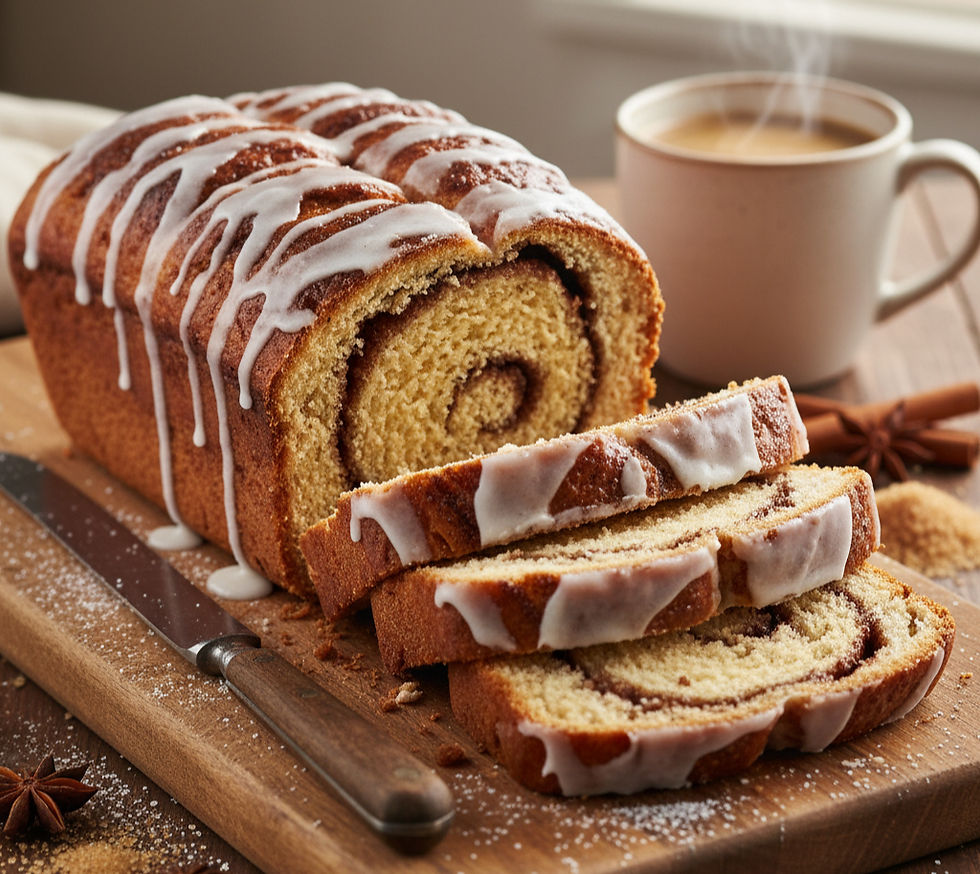
Dry baked goods are usually caused by too much flour, overbaking, or not enough fat or liquid. This is especially noticeable in recipes like Cinnamon Swirl Bread, where moisture balance is key to a soft, tender result.
Too Much Flour
Packed flour can lead to dense, dry baked goods.
Fix:
Use the spoon-and-level method
Measure by weight when possible
Reduce slightly if the batter feels too stiff
This is a common issue in quick breads like Banana Bread, where too much flour can quickly dry out the texture.
Overbaking
Overbaking is one of the most common causes of dryness.
Fix:
Check for doneness early
Remove baked goods when just set
Look for moist crumbs, not dry
This is especially important for delicate desserts like Molten Chocolate Cake, where timing directly affects texture and moisture.
Not Enough Fat
Fat adds moisture and softness to baked goods.
Fix:
Add butter, oil, or an extra egg yolk
Use sour cream or yogurt in cakes
This adjustment works especially well in cookies like Best Chocolate Chip Cookies, where fat contributes to a soft, chewy texture.
Why Cookies Spread Too Much
Cookies that spread too much are usually caused by warm dough, too much butter, or not enough structure.
Fix:
Chill the dough
Use parchment paper instead of greasing
Add 1 tablespoon of flour
Slightly reduce butter
Use smaller dough portions
These fixes are especially helpful for cookies where thickness matters, like Mama Kelce’s Cookies.
More Cozy Baking Recipes to Try Next
If you’re ready to apply these tips, try one of these cozy baking recipes:
Final Thoughts
Understanding how to fix flat or dry baked goods gives you more control and confidence in the kitchen. With a few simple adjustments, you can turn common baking mistakes into consistently soft, fluffy, and perfectly textured results every time.