

Cajun Cooking Basics Every Beginner Should Know (Roux, Blackening & Bold Louisiana Flavor Explained)
- Sarah Smith
- May 17
- 5 min read

Cajun cooking is known for bold seasoning, rich one-pot meals, smoky flavor, and deeply comforting Southern-style dishes rooted in Louisiana tradition. Many classic Cajun recipes are built from simple ingredients transformed through layering flavor, slow cooking, and rustic home-style techniques. From dark roux and blackened seafood to hearty rice dishes and spicy sausage stews, Cajun food focuses on warmth, richness, and satisfying homemade flavor.
While Cajun food is often associated with heat and spice, the real heart of the cuisine is balance. Smoky meats, aromatic vegetables, herbs, seafood, butter, and deeply savory cooking bases all work together to create the rich flavor Cajun cooking is famous for. Whether you’re learning to make gumbo, blackened fish, or classic rice dishes, understanding a few foundational techniques makes Cajun cooking feel much more approachable.
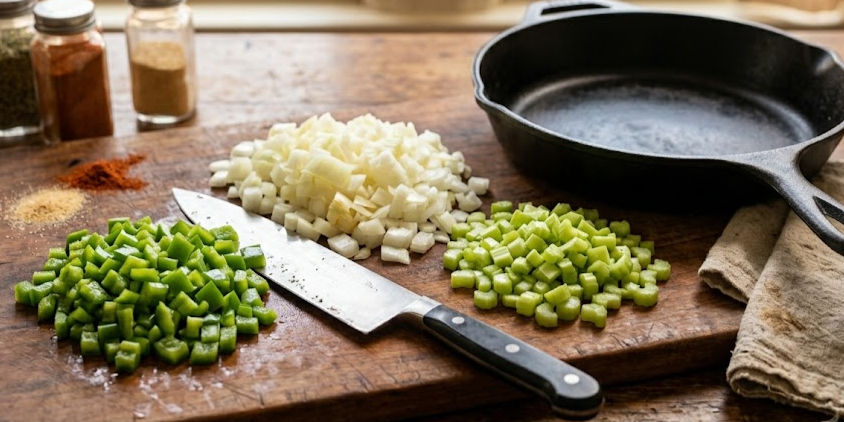
The Holy Trinity: The Foundation of Cajun Flavor
One of the first things beginners should learn is the “Holy Trinity,” which forms the flavor foundation of many Cajun recipes.
The traditional ratio is:
2 parts onion
1 part celery
1 part bell pepper
These vegetables are slowly cooked together to build sweetness, aroma, and savory depth before adding meats, stock, rice, or seafood.
The Holy Trinity is used in dishes like:
jambalaya
dirty rice
étouffée
soups and stews
Beginner Tip:
Do not rush this step over high heat.
Cook the vegetables over medium heat for about:
8–12 minutes
The vegetables should:
soften
smell fragrant
look glossy
but not become dark brown or burned.
This slow cooking process builds the rich homemade flavor Cajun food is known for.

Roux: The Most Important Cajun Cooking Skill
A roux is one of the most important techniques in Cajun cooking and often the most intimidating for beginners.
A roux is made by cooking:
equal parts flour
equal parts fat
A simple beginner ratio is:
½ cup flour
½ cup oil or butter
The flour and fat are cooked together while stirring constantly until the mixture changes color and develops flavor.
How Roux Changes as It Cooks
The longer roux cooks, the darker and more flavorful it becomes. As the flour slowly toasts in the fat, the roux develops deeper color and nuttier flavor while gradually losing some of its thickening power.
Roux Color | Approximate Cooking Time | Flavor | Best Uses |
Blonde Roux | 3–5 minutes | light, buttery, mild | sauces, gravies, cream soups |
Peanut Butter Roux | 8–12 minutes | nutty, rich, deeper flavor | étouffée, lighter Cajun stews |
Milk Chocolate Roux | 15–20 minutes | deep savory flavor, smoky richness | many traditional gumbos |
Dark Chocolate Roux | 25–40 minutes | intense, smoky, earthy | darker Cajun gumbo and rich stews |
Important Roux Tips for Beginners
Stir constantly
Roux can burn quickly once it begins darkening.
Use medium or medium-low heat
High heat increases the risk of burning.
Use a heavy pot
Heavy-bottomed pots heat more evenly.
Watch for black specks
Black dots usually mean the roux has burned and tastes bitter.
Don’t panic if it looks thin
Roux thickens sauces later when liquid is added.
Learning roux takes practice, but it becomes much easier after a few attempts.
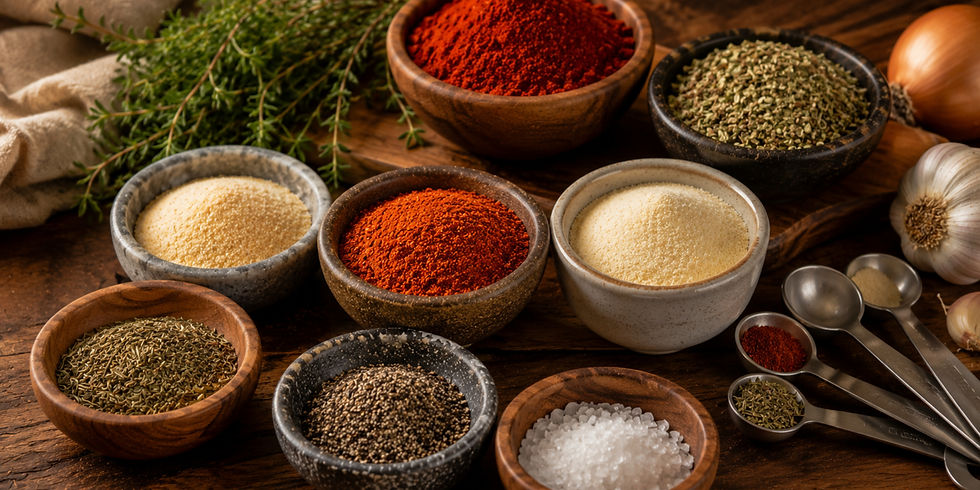
Cajun Seasoning: More Than Just Heat
Cajun seasoning is a blend of spices used to add smoky, savory flavor to meats, seafood, rice dishes, vegetables, and sauces.
Most Cajun seasoning blends contain:
paprika
cayenne pepper
garlic powder
onion powder
black pepper
thyme
oregano
salt
What Do These Spices Do?
Paprika adds smoky depth and color
Cayenne adds heat
Garlic and onion powder add savory flavor
Thyme and oregano add earthy herbal notes
Black pepper adds warmth and sharpness
Good Cajun seasoning should feel:
bold
smoky
savory
balanced
—not painfully spicy.
Recipes like Cajun Marinade show how seasoning blends build flavor gradually rather than simply adding heat.
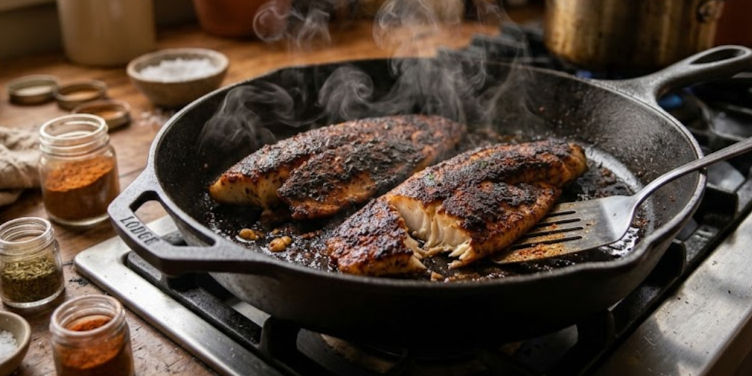
Blackening: The Signature Cajun Cooking Technique
Blackening is one of the most famous Cajun cooking techniques and often misunderstood by beginners.
Blackening does NOT mean burning food.
Instead, blackening creates a dark flavorful crust by cooking seasoned proteins over very high heat.
What Are Blackening Spices?
Blackening seasonings are usually made from the same traditional Cajun spice blends listed above.
A simple beginner-friendly blackening blend might include:
2 tablespoons paprika
1 teaspoon cayenne
1 teaspoon garlic powder
1 teaspoon onion powder
½ teaspoon thyme
½ teaspoon oregano
salt and black pepper to taste
As the spices toast and darken during cooking, they create
smoky flavor
crisp edges
deep color
bold savory crust
How to Blacken Food Properly
Step 1: Dry the protein
Pat fish or chicken dry with paper towels.
This helps the seasoning stick and improves browning.
Step 2: Coat with seasoning
Cover both sides evenly with blackening spices.
Step 3: Heat the skillet fully
Cast iron skillets work best because they hold heat extremely well and evenly, helping create the dark crust that gives blackened food its signature flavor.
The pan should already be very hot before adding food.
Blackening creates quite a bit of smoke, so beginners should use good ventilation or turn on the kitchen exhaust fan before cooking.
Step 4: Add oil with a high smoke point
Good choices include:
avocado oil
canola oil
peanut oil
Step 5: Cook quickly over high heat
The spices darken and form a crust while the inside stays juicy.
Recipes like Blackened Catfish show how blackening creates rich flavor and texture using simple ingredients and high heat.

Rice Is the Heart of Many Cajun Meals
Rice helps transform Cajun cooking into hearty, affordable comfort food.
Many classic Cajun dishes combine:
rice
sausage
seafood
chicken
stock
vegetables
seasoning
Recipes like One-Pot Jambalaya and Cajun Dirty Rice build flavor before the rice is added so every grain absorbs seasoned cooking liquid.
Beginner Tip:
Jambalaya rice should:
stay fluffy
absorb liquid gradually
not become creamy like risotto
Stirring too often releases starch from the rice and can create a softer, stickier texture instead of distinct fluffy grains.
Common Beginner Mistakes in Cajun Cooking
Burning the roux by using heat that’s too high
Overcrowding the skillet when blackening seafood
Oversalting Cajun dishes before simmering
Stirring jambalaya too often
Rushing the Holy Trinity instead of letting it soften properly
Using too much cayenne and overpowering the dish
Seafood and Sausage Add Cajun Flavor
Seafood and smoked sausage are central to many Cajun dishes.
Popular Cajun proteins include:
shrimp
crawfish
crab
oysters
catfish
andouille sausage
Andouille sausage adds:
smoke
spice
richness
savory depth
Recipes like Crawfish Étouffée combine seafood, roux, stock, butter, and aromatics into rich comforting sauces served over rice.

Cajun Side Dishes Balance Rich Meals
Cajun side dishes often add sweetness, creaminess, or crunch to balance smoky rich mains.
Common sides include:
cornbread
potatoes
slaws
corn dishes
rice
beans
Recipes like Cajun Maque Choux combine sweet corn, peppers, butter, and seasoning into a creamy comforting Southern side dish.
Cajun Appetizers Focus on Comfort and Flavor
Many Cajun appetizers combine:
crispy textures
savory fillings
rice
sausage
seafood
cheese
spice blends
Recipes like Authentic Cajun Boudin Balls turn simple ingredients into deeply satisfying comfort food snacks.

Beginner-Friendly Cajun Recipes to Start With
If you’re new to Cajun cooking, beginner-friendly dishes like jambalaya, blackened fish, dirty rice, maque choux, sausage soups, and crawfish dishes are excellent ways to practice foundational Cajun techniques at home.
For more cozy Louisiana-inspired meals, explore the Cajun Recipes Hub for additional dinner ideas, side dishes, seafood recipes, and comforting Southern favorites.
These recipes help beginners practice:
sautéing aromatics
making roux
seasoning properly
balancing spice
cooking rice
layering flavor
Final Thoughts
Cajun cooking is built around patience, bold flavor, rustic techniques, and deeply comforting Louisiana meals. Once you understand the basics — the Holy Trinity, roux, blackening, seasoning balance, and one-pot cooking — many traditional Cajun dishes become much easier and more enjoyable to make at home.
From smoky seafood and rich stews to spicy rice dishes and comforting Southern sides, Cajun food delivers bold homemade flavor that feels warm, hearty, and unforgettable.


